Seattle Day Tours
I’m Serious Day Tour Man AI, your day trip expert. Ask me anything — where to go, how to get there, and what’s actually worth your day.
Seattle’s day trips start at a downtown pier: the state ferry system — the largest in the country — is both transport and attraction, and a walk-on ticket to Bainbridge Island doubles as the best skyline cruise in town. Beyond the water: a 14,410-foot volcano whose entry rules just changed for 2026 (simpler now — the details below), a waterfall Twin Peaks made famous thirty minutes out, and an island chain where the right way to see orcas is from a rock on shore.
The city block covers Pike Place done properly, the coffee rules, and the tourist line that isn’t worth it — named plainly.
Here’s what’s worth a day, with real times and honest trade-offs.

Popular Day Trips
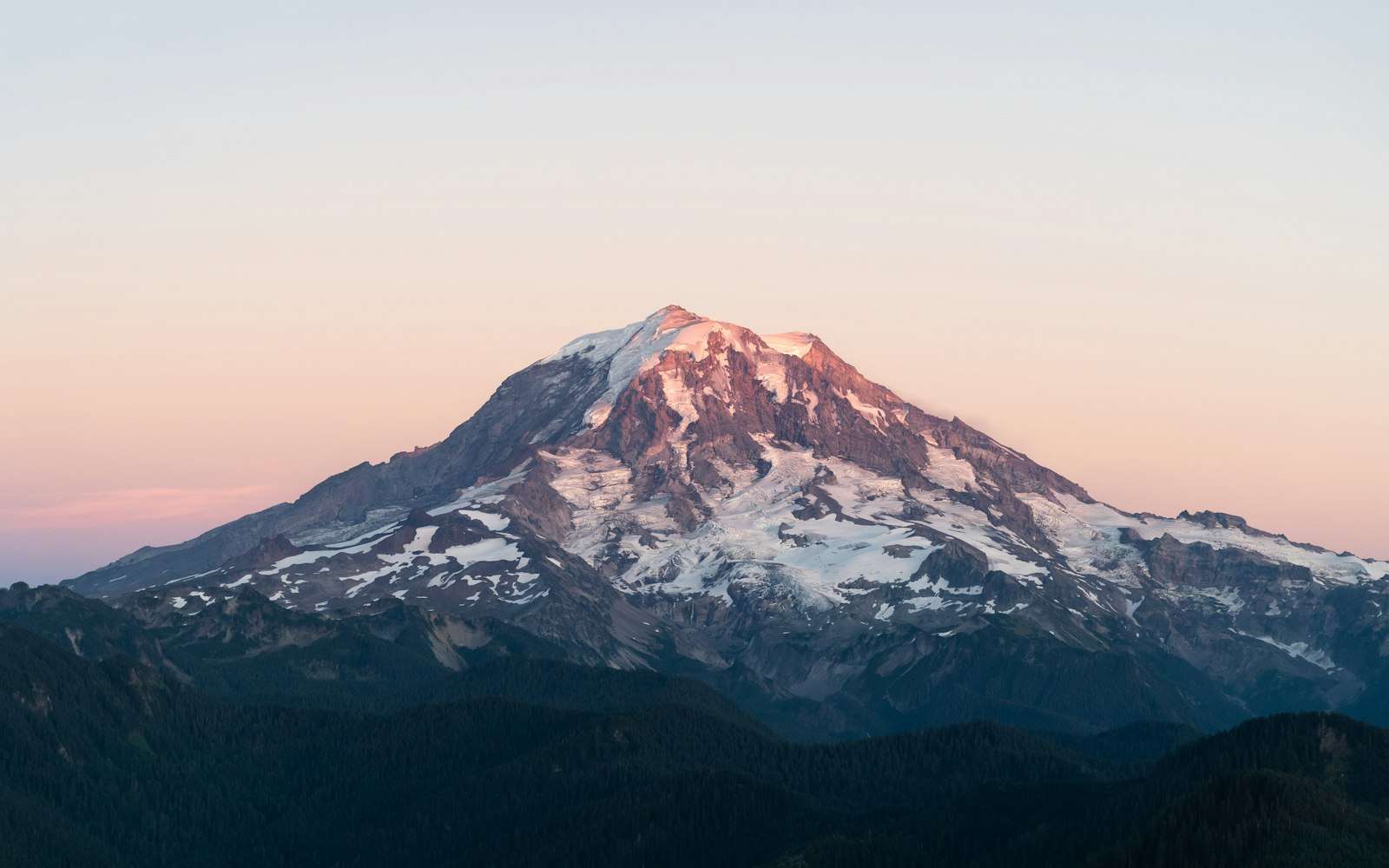
Mount Rainier
No Reservation in 2026, the Parking Problem That Remains
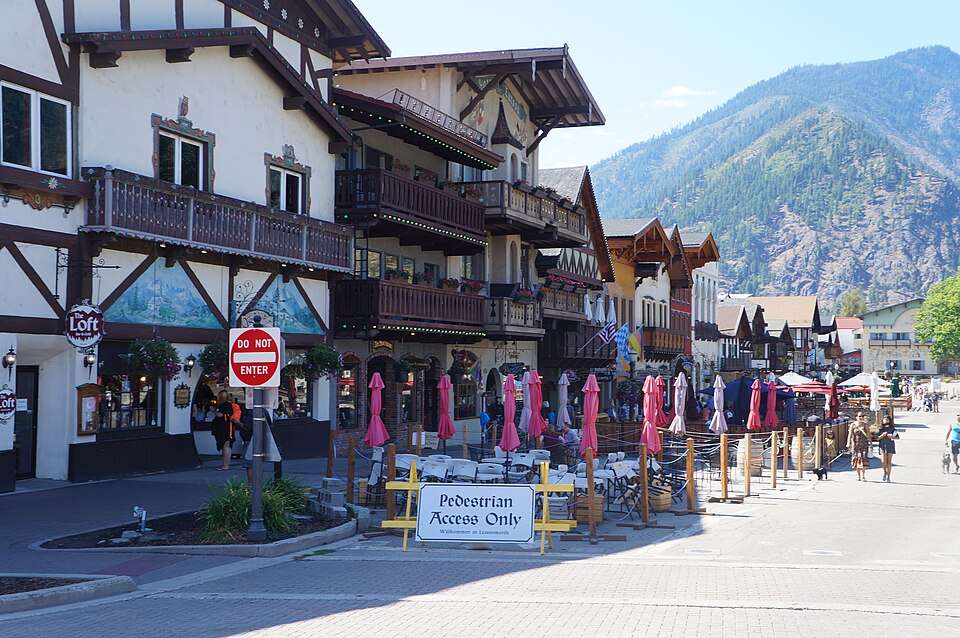
Leavenworth
The Pass Drive, the Invented Bavaria That Worked
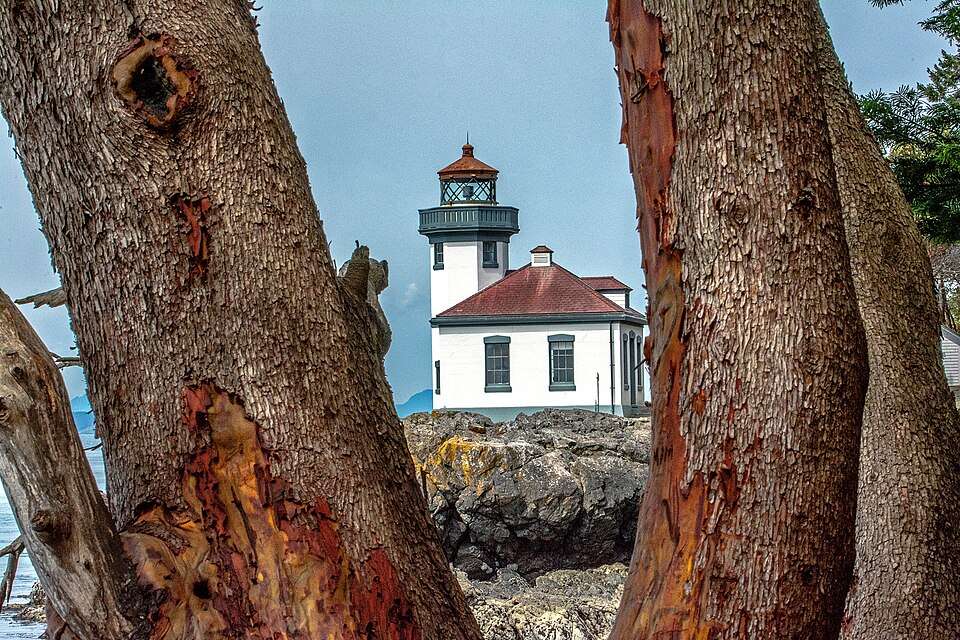
San Juan Islands
The Six A.M. Rule, the Walk-On Trick
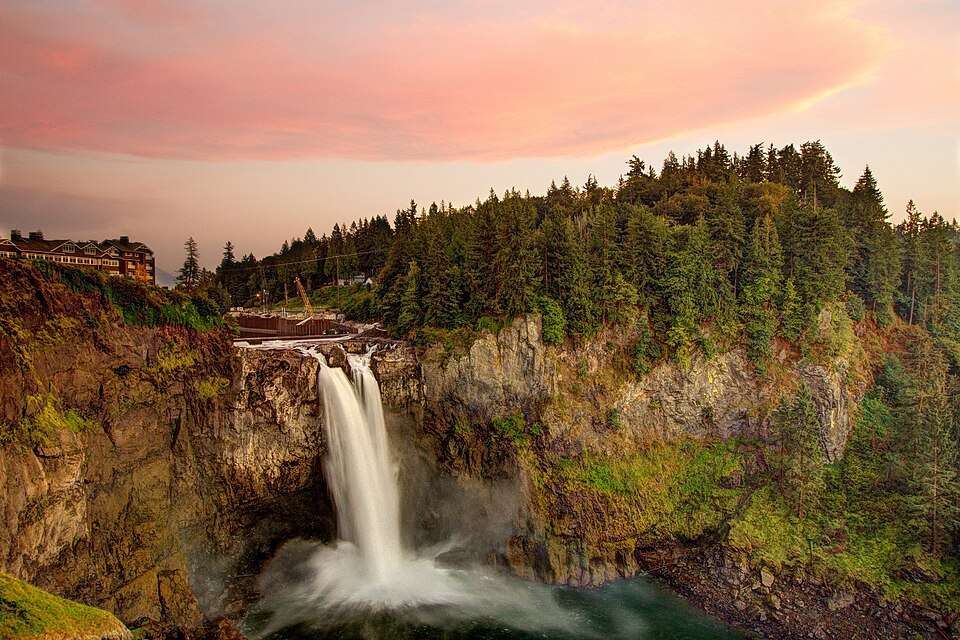
Snoqualmie
A Hundred Feet Taller Than Niagara, Best After Storms
Mount Rainier — Paradise, Under the New Rules
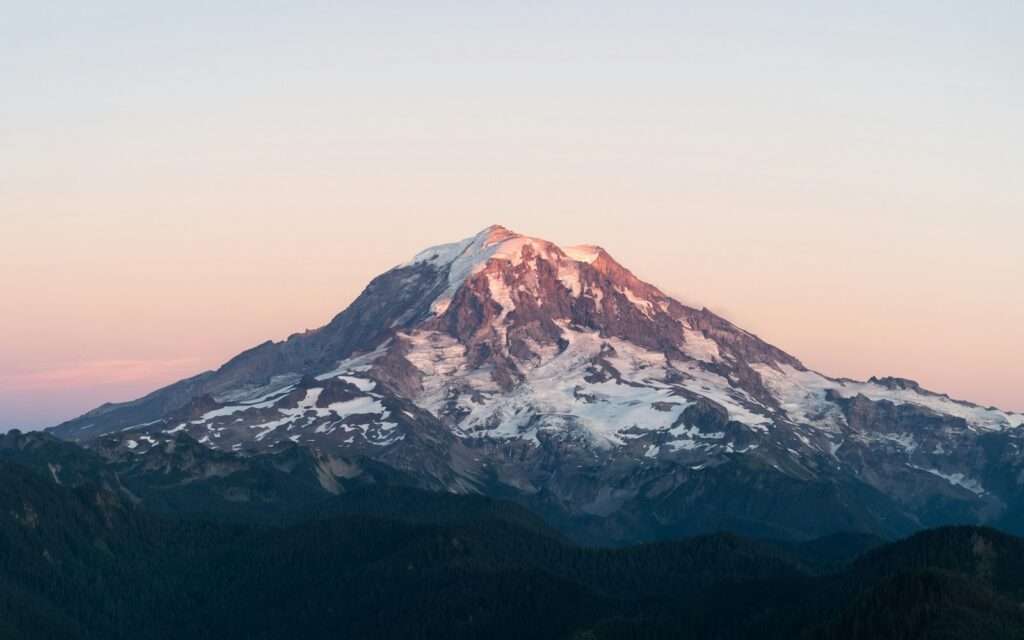
Two to two-and-a-half hours south, “the Mountain” runs the region’s essential nature day, and 2026 changed the mechanics: the timed-entry reservation pilot of the past two summers has been cancelled — no reservation is required this year. In its place, the park actively manages the parking lots at Paradise and Sunrise: rangers close lots when they fill and turn arrivals around, which on a sunny July Saturday happens by mid-morning. The arithmetic that replaces the reservation: arrive before 9 (before 7 is the connoisseur’s window), or come after 3 when the morning wave leaves — the late-afternoon slot pairs with the wildflower meadows at golden light, which is the best version anyway. Weekdays behave; summer weekends punish optimism. The entrance fee or park pass still applies, and there’s no park shuttle — private vehicle only.
The day itself: Paradise is the headliner — the Skyline Trail’s meadow loops under the glacier face, with late July through mid-August as the wildflower peak — while Sunrise, the higher and drier northeast side, opens for a shorter season with bigger-sky views. Pick one; they’re two hours apart inside the park. The rules: snow lingers at Paradise into July (check trail conditions), layers ride in the pack every month of the year, and the mountain makes its own weather — a clear forecast in Seattle promises nothing at 5,400 feet. Reflection Lakes and Narada Falls fill the roadside stops, and Longmire’s historic district covers the low-elevation fallback when the upper mountain socks in.
Read the full Mount Rainier day-trip page.
Bainbridge & the Ferry System — The Commute That’s a Cruise
The Washington State Ferries are the country’s largest fleet, and the Bainbridge run from Colman Dock (Pier 52) is the classic: thirty-five minutes across Elliott Bay, with the skyline receding behind and the Olympics ahead — walk on for a few dollars, no reservation, and the crossing itself is the attraction the harbor-tour boats charge five times more for.
Bainbridge Island fills the half day gracefully: Winslow’s walkable main street sits ten minutes from the dock — bookstore, bakeries, tasting rooms — with the Bainbridge Island Museum of Art (free, genuinely good) right at the ferry exit. The Bloedel Reserve, fifteen minutes north by car or the island bus, is the deeper draw: 150 acres of designed landscape — the moss garden, the reflection pool, the Japanese garden — that rewards unhurried walking and books timed entry ahead.
The honest add-on for history: the Japanese American Exclusion Memorial near the dock marks where the country’s first wartime forced removal began in 1942 — a short, sobering, beautifully built stop, taken with the weight it carries. The frame: this is the zero-stress day — no car needed, weather-flexible, and the return crossing at dusk with the city lighting up is the free finale. Kingston, Bremerton, and Vashon extend the ferry habit for repeat visits.
Snoqualmie Falls & the Mountain Towns — The Close Circuit
Thirty-five minutes east, Snoqualmie Falls drops 268 feet — a hundred more than Niagara — beside the lodge every Twin Peaks viewer recognizes on sight. The mechanics are easy: free viewing platforms at the top, a half-mile trail to the river-level view (steep coming back; honest legs required), and peak thunder in spring melt or after fall rains. The adjacent Salish Lodge pours the “damn fine coffee” tribute for the devoted, and the Northwest Railway Museum in Snoqualmie town adds the vintage-depot hour.
The stack eastward: North Bend supplies Twede’s Café (the double-R diner itself, cherry pie mandatory for pilgrims) and the Mount Si trailhead — the region’s conditioning hike, four miles up and every local has an opinion about it — while Rattlesnake Ledge offers the shorter, extremely popular ledge-view alternative (go early; the small lot is the whole story).
Further east on I-90, Leavenworth — the logging town that reinvented itself as a full Bavarian village — sits two-plus hours out: honest verdict, it’s a kitsch masterpiece that commits so completely it wins, best at Oktoberfest and the December lights, and it’s a long day better taken as an overnight in those peak seasons. The close circuit above, by contrast, fits in half a day and pairs with a city afternoon.
Read the full Snoqualmie Falls day-trip page.
The Olympic Peninsula — The Honest Stretch
Olympic National Park is a full national park with three ecosystems — alpine ridge, Pacific coast, temperate rainforest — and the honest math from Seattle says one per day. The doable classic: the Bainbridge or Kingston ferry, then two hours to Port Angeles and up to Hurricane Ridge, where the road tops out at mile-high meadows facing the Olympic interior — a genuine alpine panorama for a walk-from-the-car effort. Port Angeles supplies lunch; Lake Crescent’s lodge shoreline and the Marymere Falls stroll fit the return leg. That’s a big, satisfying, ten-plus-hour day.
The rainforest question, answered plainly: the Hoh Rain Forest — the moss-cathedral of the postcards — sits nearly four hours from Seattle before the ferry math, and as a day trip it’s transit wrapped around an hour of trail. It calls for the overnight loop (Hurricane Ridge, Lake Crescent, the Hoh, and Ruby or Rialto Beach across two days), which is among the best short road trips in America. Second Beach and Cape Flattery go with that trip too.
Three rules apply: the ferry queue decides the schedule (walk-on plus shuttle options exist, but this is the one day here where the car pays its way — reserve nothing, arrive early), park passes apply, and the ridge road can require chains or close in shoulder-season weather. Check conditions the morning of; the peninsula’s weather is its own nation.
The San Juans — Orcas, Done Right
The island day runs: ninety minutes north to Anacortes, then the state ferry threading the archipelago to Friday Harbor on San Juan Island — and the crossing through the islands is, again, half the show. Summer sailings want early arrivals or vehicle reservations; walk-on-plus-island-shuttle is the low-stress version.
The orca question gets the straight framing: the Southern Resident killer whales are endangered — every boat is required to keep serious distance, and the region’s best viewing is deliberately from land: Lime Kiln Point State Park, “Whale Watch Park,” where orcas pass close to the rocks on their own terms, free, with a lighthouse thrown in. Boat tours operate under the rules and sight whales often (transient orcas, humpbacks, minkes); choose operators who advertise their compliance, and treat any close pass as the whales’ choice. May through September is the season; sightings are probability, never appointment.
The rest of the island: Roche Harbor’s marina village and mausoleum oddity, the alpaca farm and lavender fields (July), and San Juan Island National Historical Park — where the US and Britain nearly fought a war over a shot pig, and the interpretive signs enjoy telling it. The math: this is a twelve-plus-hour day and a magnificent one; Orcas Island’s Mount Constitution is for the overnight.
Read the full the San Juan Islands day-trip page.
Pike Place, the Coffee Rules & Seattle Itself
Pike Place Market, done properly: go before 9 to watch the market wake up — the fishmongers’ throw show at Pike Place Fish, the flower rows at farmer prices, the original Beecher’s curds — and take the lower levels’ shops that the crowd never reaches. The honest line-audit: the “original Starbucks” queue buys a photo of a storefront and the same coffee as everywhere; skip it and drink better at any of the roasters the city actually runs on. The Gum Wall below the market is exactly as advertised — seen in ninety seconds, remembered forever, touched never.
The center’s sort: the Space Needle pairs with (and is outviewed by) the Sky View Observatory’s higher, cheaper deck — but the Needle-plus-Chihuly Garden and Glass combination remains the right first-timer ticket, because the Chihuly is the best thing at Seattle Center, full stop. MoPOP serves music-and-sci-fi people by conviction; the Museum of Flight, south of town, is the aviation world’s quiet heavyweight. The Underground Tour in Pioneer Square delivers genuine history with vaudeville delivery — better than it needs to be.
Three rules apply: the light rail runs airport to downtown to the university cheaply and reliably; the e-scooter hills are steeper than they look; and the coffee etiquette is simple — order with conviction, tip the counter, and never ask for it “Seattle style,” which isn’t a thing. Season math: July through September is the miracle window (dry, 75, mountains out — “the mountain is out” is real local weather reporting); June gloom is real; and the famous rain is a drizzle culture, not an umbrella one — locals wear hoods, and visitors are spotted by their umbrellas. The city works year-round because the museums, market, and ferries don’t care about the sky.
Full day-trip pages: Leavenworth.
Frequently Asked Questions
Do you need a reservation for Mount Rainier in 2026?
No — the timed-entry pilot was cancelled for 2026. The park manages parking instead: lots at Paradise and Sunrise close when full, so arrive before 9 (or after 3 for the wildflower-light window), favor weekdays, and carry the park pass; there’s no shuttle.
Is the Bainbridge ferry worth it just for the ride?
Completely — thirty-five minutes each way from Pier 52, walk-on cheap, with the skyline and Olympics doing the work the harbor cruises charge for. Add Winslow’s main street, the art museum, and Bloedel Reserve (book timed entry).
Can you do the Hoh Rain Forest as a day trip?
Technically; honestly, no — nearly four hours each way wraps a full day of driving around an hour of moss. Hurricane Ridge is the doable Olympic day; give the Hoh the two-day loop it needs.
What’s the right way to see orcas from Seattle?
From shore, ideally — Lime Kiln Point on San Juan Island is the world’s best land-based whale watching, free, on the whales’ terms. The Southern Residents are endangered and boats keep mandated distance; pick operators who advertise compliance.
Is the original Starbucks worth the line?
No — it’s a storefront photo and standard coffee at a forty-five-minute price. Spend the time in Pike Place’s lower levels before 9 a.m., and spend the coffee money at any local roaster; that’s the actual Seattle experience.